Author: A Ant, CADC-II, Licensing & Accreditation Expert
Behavioral Health Licensing: How to State by State Guide
Already know which state you’re opening in? Click it below and you’re in that state’s guides, from drug and alcohol to mental health to getting a license back. Still picking a state? Start with the comparison tool, then come back here with your answer.
Quick Take: Licensure or certifications are issued by the state. Accreditation from CARF or The Joint Commission is national. Most programs end up needing both a state license and a national accreditation, and the license usually comes first. More and more insurers are requiring accreditation.
Find your state
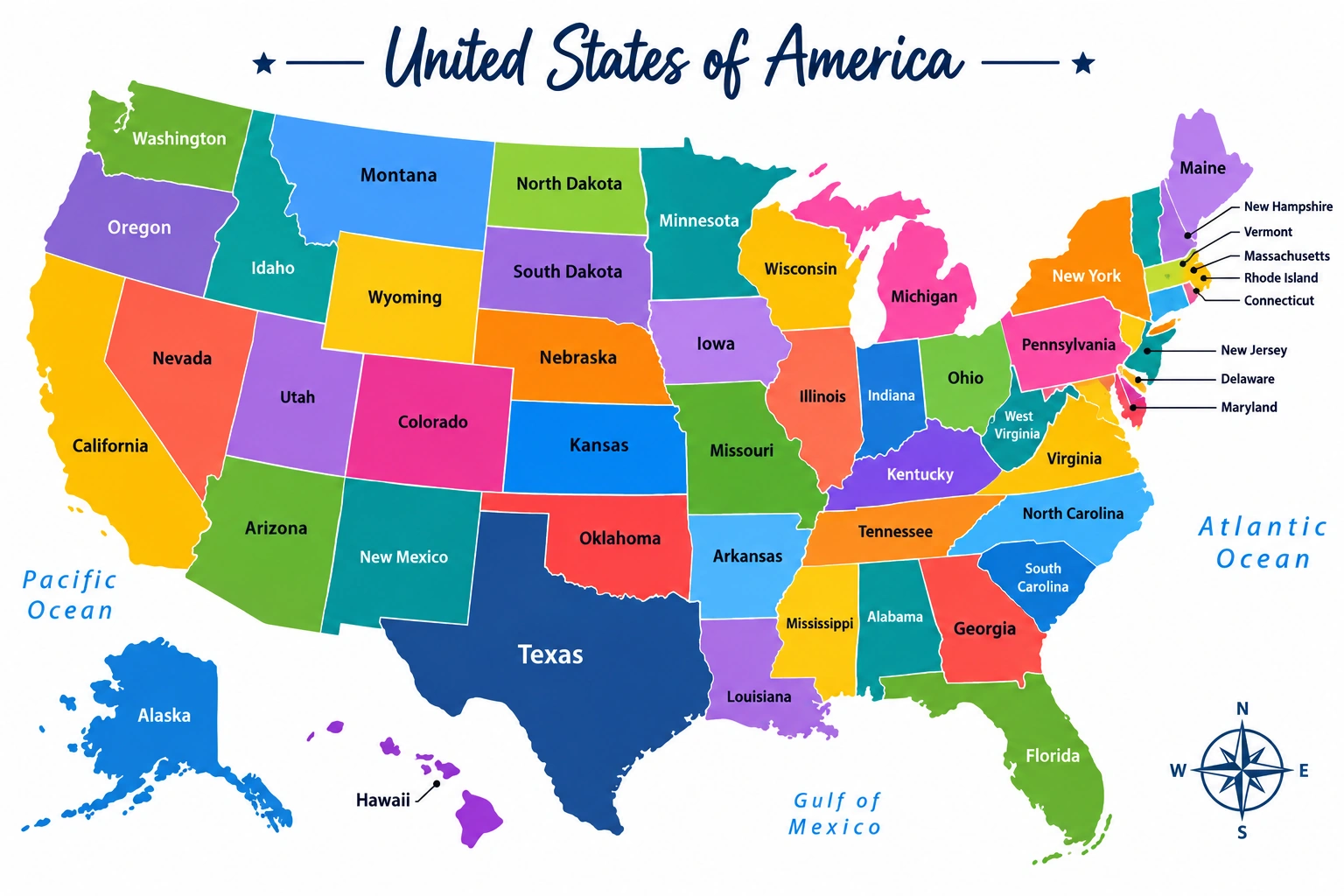
Click a state to open its guides.
Alabama
Drug & alcohol: Inpatient · Outpatient · MAT · Ketamine Treatment · Ketamine Clinic
Mental health: Inpatient · Outpatient · Ketamine Treatment
License back: Reinstatement
Alaska
Drug & alcohol: Inpatient · Outpatient · MAT · Ketamine Treatment · Ketamine Clinic
Mental health: Inpatient · Outpatient · Ketamine Treatment
License back: Reinstatement
Arizona
Drug & alcohol: Inpatient · Outpatient · MAT · Ketamine Treatment · Ketamine Clinic
Mental health: Inpatient · Outpatient · Ketamine Treatment
License back: Reinstatement
Arkansas
Drug & alcohol: Inpatient · Outpatient · MAT · Ketamine Treatment · Ketamine Clinic
Mental health: Inpatient · Outpatient · Ketamine Treatment
License back: Reinstatement
California
Drug & alcohol: Residential · IOP · MAT and NTP · Ketamine Treatment · Ketamine Clinic
Mental health: Inpatient · Outpatient · Ketamine Treatment
License back: Reinstatement
Colorado
Drug & alcohol: Inpatient · Outpatient · MAT · Ketamine Treatment · Ketamine Clinic
Mental health: Inpatient · Outpatient · Ketamine Treatment
License back: Reinstatement
Connecticut
Drug & alcohol: Inpatient · Outpatient · MAT · Ketamine Treatment · Ketamine Clinic
Mental health: Inpatient · Outpatient · Ketamine Treatment
License back: Reinstatement
Delaware
Drug & alcohol: Inpatient · Outpatient · MAT · Ketamine Treatment · Ketamine Clinic
Mental health: Inpatient · Outpatient · Ketamine Treatment
License back: Reinstatement
Florida
Drug & alcohol: Inpatient · Outpatient · MAT · Ketamine Treatment · Ketamine Clinic
Mental health: Inpatient · Outpatient · Ketamine Treatment
License back: Reinstatement
Georgia
Drug & alcohol: Inpatient · Outpatient · MAT · Ketamine Treatment · Ketamine Clinic
Mental health: Inpatient · Outpatient · Ketamine Treatment
License back: Reinstatement
Hawaii
Drug & alcohol: Inpatient · Outpatient · MAT · Ketamine Treatment · Ketamine Clinic
Mental health: Inpatient · Outpatient · Ketamine Treatment
License back: Reinstatement
Idaho
Drug & alcohol: Inpatient · Outpatient · MAT · Ketamine Treatment · Ketamine Clinic
Mental health: Inpatient · Outpatient · Ketamine Treatment
License back: Reinstatement
Illinois
Drug & alcohol: Inpatient · Outpatient · MAT · Ketamine Treatment · Ketamine Clinic
Mental health: Inpatient · Outpatient · Ketamine Treatment
License back: Reinstatement
Indiana
Drug & alcohol: Inpatient · Outpatient · MAT · Ketamine Treatment · Ketamine Clinic
Mental health: Inpatient · Outpatient · Ketamine Treatment
License back: Reinstatement
Iowa
Drug & alcohol: Inpatient · Outpatient · MAT · Ketamine Treatment · Ketamine Clinic
Mental health: Inpatient · Outpatient · Ketamine Treatment
License back: Reinstatement
Kansas
Drug & alcohol: Inpatient · Outpatient · MAT · Ketamine Treatment · Ketamine Clinic
Mental health: Inpatient · Outpatient · Ketamine Treatment
License back: Reinstatement
Kentucky
Drug & alcohol: Inpatient · Outpatient · MAT · Ketamine Treatment · Ketamine Clinic
Mental health: Inpatient · Outpatient · Ketamine Treatment
License back: Reinstatement
Louisiana
Drug & alcohol: Inpatient · Outpatient · MAT · Ketamine Treatment · Ketamine Clinic
Mental health: Inpatient · Outpatient · Ketamine Treatment
License back: Reinstatement
Maine
Drug & alcohol: Inpatient · Outpatient · MAT · Ketamine Treatment · Ketamine Clinic
Mental health: Inpatient · Outpatient · Ketamine Treatment
License back: Reinstatement
Maryland
Drug & alcohol: Inpatient · Outpatient · MAT · Ketamine Treatment · Ketamine Clinic
Mental health: Inpatient · Outpatient · Ketamine Treatment
License back: Reinstatement
Massachusetts
Drug & alcohol: Inpatient · Outpatient · MAT · Ketamine Treatment · Ketamine Clinic
Mental health: Inpatient · Outpatient · Ketamine Treatment
License back: Reinstatement
Michigan
Drug & alcohol: Inpatient · Outpatient · MAT · Ketamine Treatment · Ketamine Clinic
Mental health: Inpatient · Outpatient · Ketamine Treatment
License back: Reinstatement
Minnesota
Drug & alcohol: Inpatient · Outpatient · MAT · Ketamine Treatment · Ketamine Clinic
Mental health: Inpatient · Outpatient · Ketamine Treatment
License back: Reinstatement
Mississippi
Drug & alcohol: Inpatient · Outpatient · MAT · Ketamine Treatment · Ketamine Clinic
Mental health: Inpatient · Outpatient · Ketamine Treatment
License back: Reinstatement
Missouri
Drug & alcohol: Inpatient · Outpatient · MAT · Ketamine Treatment · Ketamine Clinic
Mental health: Inpatient · Outpatient · Ketamine Treatment
License back: Reinstatement
Montana
Drug & alcohol: Inpatient · Outpatient · MAT · Ketamine Treatment · Ketamine Clinic
Mental health: Inpatient · Outpatient · Ketamine Treatment
License back: Reinstatement
Nebraska
Drug & alcohol: Inpatient · Outpatient · MAT · Ketamine Treatment · Ketamine Clinic
Mental health: Inpatient · Outpatient · Ketamine Treatment
License back: Reinstatement
Nevada
Drug & alcohol: Detox, residential, PHP, IOP · MAT · Ketamine Treatment · Ketamine Clinic
Mental health: Getting licensed · Ketamine Treatment
License back: Reinstatement
New Hampshire
Drug & alcohol: Inpatient · Outpatient · MAT · Ketamine Treatment · Ketamine Clinic
Mental health: Inpatient · Outpatient · Ketamine Treatment
License back: Reinstatement
New Jersey
Drug & alcohol: Inpatient · Outpatient · MAT · Ketamine Treatment · Ketamine Clinic
Mental health: Inpatient · Outpatient · Ketamine Treatment
License back: Reinstatement
New Mexico
Drug & alcohol: Inpatient · Outpatient · MAT · Ketamine Treatment · Ketamine Clinic
Mental health: Inpatient · Outpatient · Ketamine Treatment
License back: Reinstatement
New York
Drug & alcohol: Inpatient · Outpatient · MAT · Ketamine Treatment · Ketamine Clinic
Mental health: Inpatient · Outpatient · Ketamine Treatment
License back: Reinstatement
North Carolina
Drug & alcohol: Inpatient · Outpatient · MAT · Ketamine Treatment · Ketamine Clinic
Mental health: Inpatient · Outpatient · Ketamine Treatment
License back: Reinstatement
North Dakota
Drug & alcohol: Inpatient · Outpatient · MAT · Ketamine Treatment · Ketamine Clinic
Mental health: Inpatient · Outpatient · Ketamine Treatment
License back: Reinstatement
Ohio
Drug & alcohol: Inpatient · Outpatient · MAT · Ketamine Treatment · Ketamine Clinic
Mental health: Inpatient · Outpatient · Ketamine Treatment
License back: Reinstatement
Oklahoma
Drug & alcohol: Inpatient · Outpatient · MAT · Ketamine Treatment · Ketamine Clinic
Mental health: Inpatient · Outpatient · Ketamine Treatment
License back: Reinstatement
Oregon
Drug & alcohol: Inpatient · Outpatient · MAT · Ketamine Treatment · Ketamine Clinic
Mental health: Inpatient · Outpatient · Ketamine Treatment
License back: Reinstatement
Pennsylvania
Drug & alcohol: Inpatient · Outpatient · MAT · Ketamine Treatment · Ketamine Clinic
Mental health: Inpatient · Outpatient · Ketamine Treatment
License back: Reinstatement
Rhode Island
Drug & alcohol: Inpatient · Outpatient · MAT · Ketamine Treatment · Ketamine Clinic
Mental health: Inpatient · Outpatient · Ketamine Treatment
License back: Reinstatement
South Carolina
Drug & alcohol: Inpatient · Outpatient · MAT · Ketamine Treatment · Ketamine Clinic
Mental health: Inpatient · Outpatient · Ketamine Treatment
License back: Reinstatement
South Dakota
Drug & alcohol: Inpatient · Outpatient · MAT · Ketamine Treatment · Ketamine Clinic
Mental health: Inpatient · Outpatient · Ketamine Treatment
License back: Reinstatement
Tennessee
Drug & alcohol: Inpatient · Outpatient · MAT · Ketamine Treatment · Ketamine Clinic
Mental health: Inpatient · Outpatient · Ketamine Treatment
License back: Reinstatement
Texas
Drug & alcohol: Inpatient · Outpatient · MAT · Ketamine Treatment · Ketamine Clinic
Mental health: Inpatient · Outpatient · Ketamine Treatment
License back: Reinstatement
Utah
Drug & alcohol: Inpatient · Outpatient · MAT · Ketamine Treatment · Ketamine Clinic
Mental health: Inpatient · Outpatient · Ketamine Treatment
License back: Reinstatement
Vermont
Drug & alcohol: Inpatient · Outpatient · MAT · Ketamine Treatment · Ketamine Clinic
Mental health: Inpatient · Outpatient · Ketamine Treatment
License back: Reinstatement
Virginia
Drug & alcohol: Inpatient · Outpatient · MAT · Ketamine Treatment · Ketamine Clinic
Mental health: Inpatient · Outpatient · Ketamine Treatment
License back: Reinstatement
Washington
Drug & alcohol: Inpatient · Outpatient · MAT · Ketamine Treatment · Ketamine Clinic
Mental health: Inpatient · Outpatient · Ketamine Treatment
License back: Reinstatement
West Virginia
Drug & alcohol: Inpatient · Outpatient · MAT · Ketamine Treatment · Ketamine Clinic
Mental health: Inpatient · Outpatient · Ketamine Treatment
License back: Reinstatement
Wisconsin
Drug & alcohol: Inpatient · Outpatient · MAT · Ketamine Treatment · Ketamine Clinic
Mental health: Inpatient · Outpatient · Ketamine Treatment
License back: Reinstatement
Wyoming
Drug & alcohol: Inpatient · Outpatient · MAT · Ketamine Treatment · Ketamine Clinic
Mental health: Inpatient · Outpatient · Ketamine Treatment
License back: Reinstatement
There’s no federal license for opening a behavioral health or substance use disorder program. (Opioid treatment programs are the one exception, since they need federal certification under 42 CFR Part 8 and a DEA registration before they can dispense.) That surprises a lot of first-time operators. Accreditation bodies like CARF and The Joint Commission are national, but the actual legal authority to operate, the license itself, comes from whichever state you’re in, and every state has built its own version of that process. Some lean on a single agency. Others split authority between two or three, depending on facility type and level of care. Timelines, fees, staffing ratios, and site surveys all shift from state to state, sometimes significantly.
Across the states we work in, most take their program expectations from SAMHSA and ASAM (most). That’s why the paperwork feels similar from one state to the next. What never changes is that your application is going to be reviewed, approved or denied based on what you put in it.
Not sure how a state license is different from accreditation? That’s the next section. For the full breakdown, start here.
Licensure is the permission slip. Accreditation is the credential.
People use the two words like they mean the same thing. They don’t. A state license is what makes it legal to admit and treat a patient. You can’t do it without one. Accreditation is a voluntary review against a national standard, and in most states you can open and run a facility without it.
So why do so many programs end up with both? What we see often is commercial payor networks (think Anthem, CIGNA, Aetna and UHC) that won’t pay your claims without an accreditation. That’s the reason.
The order you do things in matters more than people expect. In most of the states we cover, the license comes first. Arkansas is a notable exception. There, CARF or COA accreditation can qualify a SUD program for its state license under A.C.A. § 20-64-903(c).
In our experience, accreditors want to see a program that’s operating, with real records to survey. The Joint Commission requires 3 clients served, and at least 2 of them active during your survey. Miss that detail and you’re looking at a resurvey and all the associated costs that go with that. Chase accreditation before your license is settled and you’ll pay for both processes twice.
Every state runs a different org chart
Here is the full list, all 50 states. Some states license, some certify, some approve and a few accredit, and the table keeps each state’s own word for it.
Who licenses or certifies State by State*
*(States use their own terms for this process (license, certification, approval or accreditation). The terms used in this table are the most widely accepted ones).
| State | Substance use programs | Mental health programs | Official pages |
|---|---|---|---|
| Alabama | Department of Mental Health. Its rule has the department certify the facility (a facility can instead be licensed by the State Board of Health). | Same department and rule. | mh.alabama.gov admincode.legislature.state.al.us |
| Alaska | Division of Behavioral Health, Department of Health, gives approval (7 AAC 70). | Same division and approval, for clinic services. | health.alaska.gov |
| Arizona | Department of Health Services licenses residential facilities (Behavioral Health Facilities Licensing) and outpatient treatment centers (Medical Facilities Licensing). | Same two licensing bureaus. | azdhs.gov azdhs.gov |
| Arkansas | Department of Human Services licenses alcohol and drug abuse programs. | Department of Human Services certifies Behavioral Health Agencies. | humanservices.arkansas.gov humanservices.arkansas.gov |
| California | Department of Health Care Services licenses adult residential nonmedical facilities and oversees narcotic treatment programs. | See the California guide. | dhcs.ca.gov dhcs.ca.gov |
| Colorado | Behavioral Health Administration (Behavioral Health Entity license with endorsements). | Same. | bha.colorado.gov |
| Connecticut | Department of Public Health licenses facilities for substance abusive persons. | Department of Public Health licenses psychiatric outpatient clinics, mental health day treatment, residential living centers and community residences. | portal.ct.gov |
| Delaware | Division of Substance Abuse and Mental Health licenses and certifies, and programs need both. | Same division issues Medicaid certification to behavioral health programs. | dhss.delaware.gov dhss.delaware.gov |
| Florida | Department of Children and Families licenses substance abuse program components. | Agency for Health Care Administration licenses crisis stabilization units and short-term residential treatment facilities. | myflfamilies.com ahca.myflorida.com |
| Georgia | Department of Behavioral Health and Developmental Disabilities licenses drug abuse treatment and education programs (moved from the Department of Community Health on January 1, 2026). | Same department licenses adult mental health residential facilities. | dbhdd.georgia.gov |
| Hawaii | Department of Health, Alcohol and Drug Abuse Division, accredits. | Department of Health licenses psychiatric facilities (HRS 334-21). | health.hawaii.gov data.capitol.hawaii.gov |
| Idaho | Department of Health and Welfare, Division of Behavioral Health, offers approval (IDAPA 16.07.15). | Same division and approval. | healthandwelfare.idaho.gov |
| Illinois | Department of Human Services licenses (Part 2060). | Certification under 59 Ill. Adm. Code 132. | dhs.state.il.us ilga.gov |
| Indiana | Division of Mental Health and Addiction (Family and Social Services Administration) certifies addiction providers (440 IAC 4.4). | See the Indiana guide. | in.gov |
| Iowa | Iowa Health and Human Services licenses about 100 programs. | Community mental health centers are accredited (441 IAC 24). | hhs.iowa.gov legis.iowa.gov |
| Kansas | Department for Aging and Disability Services handles behavioral health facility licensing (Survey, Certification, and Credentialing Commission). | Same. | kdads.ks.gov |
| Kentucky | Cabinet for Health and Family Services, Office of Inspector General, licenses chemical dependency treatment (908 KAR 1:370). | Same office lists psychiatric hospitals and psychiatric residential treatment facilities. | apps.legislature.ky.gov chfs.ky.gov |
| Louisiana | Department of Health licenses behavioral health service providers (LAC 48:I chapters 56 and 57). | Same. | ldh.la.gov |
| Maine | Department of Health and Human Services licenses substance use programs, with a license for each agency type. | Same department licenses mental health programs. | maine.gov |
| Maryland | Behavioral Health Administration licenses. | Same administration licenses mental health programs. | health.maryland.gov |
| Massachusetts | Department of Public Health, Bureau of Substance Addiction Services, licenses programs. | Department of Mental Health has inpatient and community licensing divisions. | mass.gov mass.gov |
| Michigan | Licensing and Regulatory Affairs requires a state license for substance use disorder programs. | Same department requires a license for psychiatric hospitals and units. | michigan.gov michigan.gov |
| Minnesota | Department of Human Services commissioner licenses (Chapter 245G). | Under Chapter 245I, residential programs are licensed and mental health clinics are certified. | revisor.mn.gov revisor.mn.gov |
| Mississippi | Department of Mental Health certifies (Certificate of Operation). | Same. | dmh.ms.gov |
| Missouri | Department of Mental Health, Division of Behavioral Health, certifies. | Same. | dmh.mo.gov |
| Montana | Department of Public Health and Human Services has a licensure page for substance use disorder facilities. | Licensure page for mental health centers. | dphhs.mt.gov dphhs.mt.gov |
| Nebraska | Department of Health and Human Services Licensure Unit issues a Mental Health Substance Use Treatment Center license (mental health, substance use, or both). | Same license. | dhhs.ne.gov |
| Nevada | Health Care Quality and Compliance licenses facilities and now sits under the Nevada Health Authority. BHCEN (formerly SAPTA) certifies SUD programs, and that certification is voluntary for PHP and IOP, which need no HCQC license. | Health Care Quality and Compliance licenses facilities. | leg.state.nv.us leg.state.nv.us behavioralhealthnv.org |
| New Hampshire | Department of Health and Human Services: rule He-P 826 covers substance use disorder residential treatment facilities. | Rule He-P 830 covers psychiatric residential treatment programs. | dhhs.nh.gov |
| New Jersey | Department of Health, Office of Licensing. Licensure is mandatory (N.J.A.C. 10:161A and 10:161B). | Same office handles mental health and substance use licensing. | nj.gov nj.gov |
| New Mexico | Behavioral Health Services Division certifies adult residential treatment centers (NMAC 8.321.2). | Health Care Authority licenses community mental health centers. | srca.nm.gov hca.nm.gov |
| New York | Office of Addiction Services and Supports certifies. | Office of Mental Health issues operating certificates. | oasas.ny.gov omh.ny.gov |
| North Carolina | Division of Health Service Regulation requires a mental health license for mental illness, developmental disability and substance use services. | Same. | info.ncdhhs.gov |
| North Dakota | Behavioral Health Division licenses all substance abuse treatment programs (NDCC 50-31). | See the North Dakota guide. | hhs.nd.gov |
| Ohio | Department of Mental Health and Addiction Services handles licensure and certification. | Same. | dam.assets.ohio.gov |
| Oklahoma | Department of Mental Health and Substance Abuse Services certifies organizations. | Same. | oklahoma.gov |
| Oregon | Oregon Health Authority: outpatient programs are certified and residential programs are licensed (OAR 415-012). | Residential mental health treatment facilities are licensed (OAR 309-035). | oregon.gov |
| Pennsylvania | Department of Drug and Alcohol Programs licenses. | Department of Human Services, Office of Mental Health and Substance Abuse Services, licenses. | pa.gov pa.gov |
| Rhode Island | Department of Behavioral Healthcare, Developmental Disabilities and Hospitals licenses (an umbrella license plus a license for each site). | Same. | bhddh.ri.gov |
| South Carolina | Department of Public Health requires a license for facilities for chemically dependent persons (Regulation 60-93). | See the South Carolina guide. | dph.sc.gov bhdd.sc.gov |
| South Dakota | Office of Licensing and Accreditation lists substance use programs as accredited. | Community mental health centers, same. | olapublic.sd.gov |
| Tennessee | Department of Mental Health and Substance Abuse Services, Office of Licensure, lists license categories for substance abuse facilities. | Same office lists categories for mental health facilities. | tn.gov |
| Texas | Health and Human Services Commission says it licenses chemical dependency treatment facilities. | See the Texas guide. | hhs.texas.gov tcss.legis.texas.gov |
| Utah | Office of Licensing, Division of Licensing and Background Checks, Department of Health and Human Services, licenses human services programs. | Same office. | dlbc.utah.gov dlbc.utah.gov |
| Vermont | Department of Health certifies programs funded by the Division of Substance Use Programs. | Community mental health agencies are designated (18 V.S.A. 8907). | healthvermont.gov legislature.vermont.gov |
| Virginia | Department of Behavioral Health and Developmental Services licenses (12VAC35-105). | Same. | law.lis.virginia.gov |
| Washington | Department of Health licenses behavioral health agencies. | Same. | doh.wa.gov |
| West Virginia | Office of Health Facility Licensure and Certification licenses behavioral health centers (WV Code 27-9-1). | Same. | code.wvlegislature.gov |
| Wisconsin | Department of Health Services certification (DHS 75). | DHS 35 sets standards for certifying outpatient mental health clinics. | dhs.wisconsin.gov docs.legis.wisconsin.gov |
| Wyoming | Department of Health, Behavioral Health Division: state certification is required. | Same, for community mental health centers. | health.wyo.gov |
Official pages checked October 30, 2026 (Nevada, October 6, 2026).
Read that table as an argument for doing the state-specific homework before you sign anything. Two agencies means two sets of expectations, and often two chances to be told your file is incomplete.
What the sequence actually looks like
The agency names change. The shape of the process mostly doesn’t. For a new program, it generally runs like this:
- Decide exactly what you are asking to be approved for. Level of care, population, and service lines. “Behavioral health” is a business term, not usually a licensing category, and picking the wrong category is the most expensive mistake available this early.
- Get the entity and disclosures straight. Formation documents, ownership disclosure, organizational chart, named leadership.
- Confirm the site works before you commit to it. Zoning, occupancy classification, fire and life safety, physical plant standards for the level of care requested.
- Write policies that describe your actual program. Admission and discharge criteria, patient rights, incident reporting, medication handling where relevant, supervision structure, quality management.
- Line up staffing on paper and in reality. Credentialed roles, supervision arrangements, and reporting lines that match what the policies claim.
- Submit, then survive the survey. In the states we’ve documented, an inspection usually comes before the license issues. The survey tests whether your operation matches your application.
Step four is where most of the real work sits, and step three is where most of the money gets lost.
Where applications actually stall
After enough of these, the failure modes get predictable.
The most common one is a mismatch between documents. The application requests outpatient services, the policy manual reads like a residential program, and the org chart shows nobody holding the supervisory credential the policies promise. Each document is fine on its own. Together they tell a reviewer the organization isn’t operationally coherent yet, and that impression is hard to walk back.
Second is sequencing. A lease gets signed, staff get hired, a launch date goes on the calendar, and only then does anyone ask whether the building can pass life safety review for the requested level of care. A property can be perfect commercially and unusable for licensing.
Third, and this one is counterintuitive: asking for too much. Founders often want every possible service approved at launch to preserve flexibility. A broad request pulls in staffing, facility, and policy obligations across all of it, and a narrow well-supported application is usually approved faster than an ambitious one the organization can’t yet evidence. Phased growth through a change of scope is frequently the better play.
Fourth is treating a written policy as a finished one. A policy adopted last week proves very little. A policy followed for months, with dated records showing it was followed, proves a great deal, and there’s no way to compress that calendar. HHS-OIG’s General Compliance Program Guidance is worth reading on why ongoing monitoring is the part that carries weight.
Where This Fits In
Each guide above draws from the licensing agency’s own statutes, administrative code, and published application materials for that state.
For a quick read on where your own documentation sits before any application goes in, the self-assessment is a reasonable starting point.
Trying to figure out which state’s requirements actually apply to your program?
Privacy Policy | Terms of Service
Sources
- eCFR, 42 CFR 8.11: Opioid treatment program certification (checked October 6, 2026)
- CARF International: carf.org (checked October 6, 2026)
- The Joint Commission: jointcommission.org (checked October 6, 2026)
- SAMHSA: samhsa.gov (checked October 6, 2026)
- HHS-OIG: General Compliance Program Guidance (checked October 6, 2026)
- California H&S Code § 11834.01 (Justia mirror): DHCS licensing authority (checked October 6, 2026)
- California H&S Code Chapter 7.1 (Justia mirror): Certification of Alcohol and Other Drug Programs (checked October 6, 2026)
- California H&S Code § 11839.3 (Justia mirror): Narcotic treatment program licensing (checked October 6, 2026)
- Nevada NRS Chapter 449, §§ 449.0032 and 449.00455: Medical facilities and other related entities (checked October 6, 2026)
- Nevada NRS Chapter 458, § 458.025: Program certification (checked October 6, 2026)
- BHCEN (Nevada Division certification program): behavioralhealthnv.org (checked October 6, 2026)
- Texas Health and Safety Code § 464.002 (Justia mirror): CDTF license required (checked October 6, 2026)
- Texas Health and Safety Code § 577.001 (Justia mirror): Mental hospital license required (checked October 6, 2026)
- Texas HHSC: Chemical Dependency Treatment Facilities (checked October 6, 2026)
- Pennsylvania DDAP: Department of Drug and Alcohol Programs (checked October 6, 2026)
- 28 Pa. Code Chapter 709 (Cornell LII mirror): Freestanding treatment facilities (checked October 6, 2026)
- 55 Pa. Code Chapter 5300 (Cornell LII mirror): Private Psychiatric Hospitals (checked October 6, 2026)
- 55 Pa. Code Chapter 5200 (Cornell LII mirror): Psychiatric Outpatient Clinics (checked October 6, 2026)
- 55 Pa. Code Chapter 5210 (Cornell LII mirror): Partial Hospitalization (checked October 6, 2026)
- Georgia DBHDD: Licensure Information (HB 584 transfer) (checked October 6, 2026)
- Ga. Comp. R. and Regs. 82-14-1: DBHDD licensure enforcement (checked October 6, 2026)
- Ga. Comp. R. and Regs. 82-10-1: Drug Abuse Treatment and Education Programs (checked October 6, 2026)
- Ga. Comp. R. and Regs. 82-3-1: Adult Crisis Stabilization Units (checked October 6, 2026)
- Georgia DCH: Healthcare Facility Regulation Division (checked October 6, 2026)
- 105 CMR 164.003 (Cornell LII mirror): Scope, licensure or approval (checked October 6, 2026)
- 105 CMR 164.505 (Cornell LII mirror): Programs in DMH- or DPH-licensed facilities (checked October 6, 2026)
- 105 CMR 164.005 and 164.006 (official DPH text): Definitions of Approval and the DMH-facility SUD license (checked October 6, 2026)
- 104 CMR 27.01 (Cornell LII mirror): DMH facility licensing scope (checked October 6, 2026)
- 105 CMR 140.001 (Cornell LII mirror): Licensure of clinics (checked October 6, 2026)
- Florida Statutes § 397.401: License required (checked October 6, 2026)
- Florida Statutes § 394.875: Crisis stabilization units and residential treatment facilities (checked October 6, 2026)
- Florida Statutes § 394.461: Designation of receiving facilities (checked October 6, 2026)
- Arkansas Code § 20-64-903 (Justia mirror): Licensure of alcohol and drug abuse treatment programs (checked October 6, 2026)
- Arkansas Department of Health: Health Facility Services (checked October 6, 2026)