Disclaimer: This content is provided for general informational purposes only and should not be construed as medical, clinical, legal, financial, tax, accounting, insurance, licensing, accreditation, regulatory, billing, employment, or compliance advice. Requirements change often. Consult qualified professionals or contact Continued Compliance, Inc. for guidance specific to your situation. This article was created by the compliance expert cited above and reviewed by AI. A compliance expert approved and edited it for accuracy before publication.
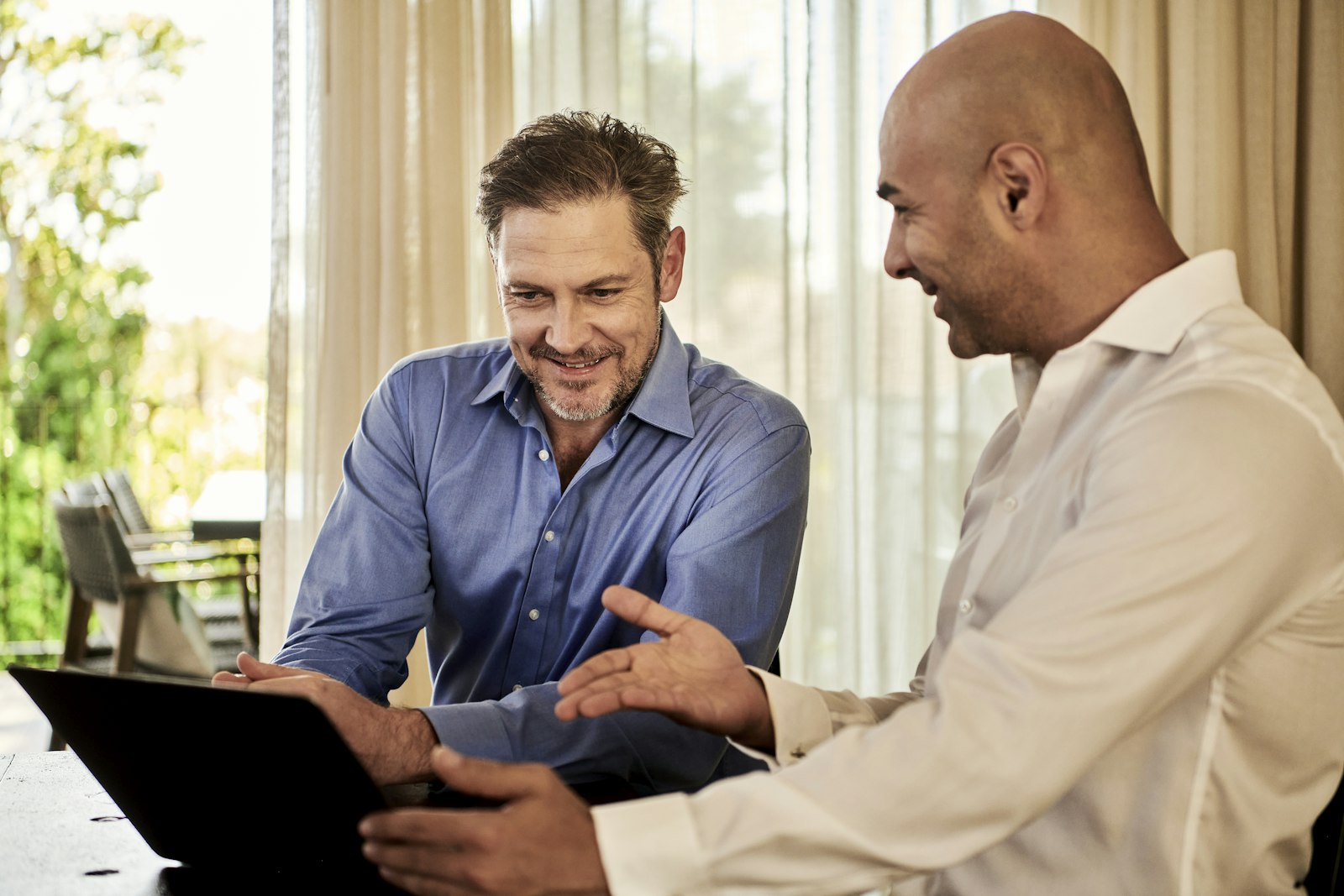
Image: Behavioral health compliance staff reviews a CARF readiness binder, policy matrix, and corrective-action tracker at a treatment facility.
A CARF consultant for addiction treatment isn’t there to hand you a checklist and wish you luck. The job is to spot what could actually derail your accreditation, turn CARF’s standards into systems your team can run day to day, and stay locked on the evidence surveyors will actually ask to see. For addiction treatment operators specifically, that touches clinical documentation, staffing, governance, risk management, performance improvement, the physical space itself, and whether the policies on paper match what staff do when nobody’s watching.
CARF accreditation can genuinely strengthen credibility and support growth. It can also drag weak systems that have been quietly tolerated for years out into the open. A consultant’s real value comes down to one thing: does the organization end up actually survey-ready, not just holding a bigger folder of policies.
What does a CARF consultant for addiction treatment do?
They assess your operation against the CARF standards that actually apply to you, flag the deficiencies, rank them by risk, build a corrective plan, help you implement it, and get your leaders and staff ready for the survey itself. What that looks like in practice depends heavily on your level of care, services, locations, and how far along you already are.
A brand-new program and an established multi-site operator need completely different engagements. A new operator often needs the foundational stuff built from scratch: policies, program design, staffing plans, record forms, a performance-improvement structure that doesn’t exist yet. An established organization is more likely to need a focused mock survey, a documentation audit, or help responding to a finding that’s already threatening an upcoming decision.
The strongest consulting work starts with facts, not assumptions. What services are actually being delivered? What do the records really show? Are the policies current, or is someone still using last year’s version? Can a supervisor demonstrate oversight, or just describe it? If the written answer and the operational answer don’t match, that’s the gap that needs fixing before a surveyor finds it first.
Accreditation readiness is an operating-system issue
The mistake almost everyone makes at some point: treating CARF prep as a documentation project. Documentation is part of it, sure, but it’s only one piece. Surveyors are really asking whether leadership has built a safe, accountable, person-centered organization, and whether the evidence actually backs that up.
For addiction treatment programs specifically, the usual pressure points are individualized service planning, timely assessments, progress notes, medication-related processes, discharge planning, staff competency, incident review, and whether quality-improvement work actually goes anywhere. Requirements shift depending on services and structure, so borrowing another provider’s policy set is rarely a shortcut worth taking.
A good consultant turns broad requirements into things someone can actually be held to: an owner assigned to each fix, a real date, a revised form, staff retrained, a sample of records pulled and checked. This is exactly where internal projects tend to stall out. Everyone agrees the gap is real. Nobody owns the deadline.
The work should begin with a candid gap assessment
A useful engagement starts with an honest baseline, which means leadership needs to stop hiding the weak file, the incomplete report, the expired training, the complaint nobody wants to talk about. Those are precisely the things that matter. Finding them early gives you options. Finding them during survey week gives you a crisis.
A real assessment digs into governance, service delivery, personnel files, policies, forms, quality data, safety practices, and a sample of actual client records. It also checks whether the documents tell one consistent story. If a policy requires supervisory review within a set window, the job descriptions, the interview answers, and the actual records all need to agree that it’s happening, not just the policy itself.
Not every gap is equally serious. A formatting inconsistency in a policy document is a different animal from a systemic failure to document risk reassessments. Part of the consultant’s job is helping leadership tell those two things apart, so limited time and attention go where it actually matters.
What a consultant should deliver before survey day
Readiness shouldn’t hinge on a last-minute scramble. By the time survey week arrives, leaders should already have a clear picture of where they stand, proof that corrections actually happened, and staff who can explain their own responsibilities in their own words rather than reciting something they memorized.
A practical engagement usually produces a standards-based gap assessment naming the issue, the evidence reviewed, the risk level, and who owns fixing it by when. It produces a corrective-action plan built around root causes rather than just rewritten documents. It produces updated policies, forms, and training tools that actually fit how the program really operates. And it produces a genuine mock-survey process, one that tests leadership interviews, staff readiness, and record presentation rather than a friendly walkthrough everyone already knows the answers to.
The deliverables matter less than what happens after them. A revised policy needs training behind it and someone checking that it’s actually being used. A changed form needs an audit to confirm people adopted it. Quality data pointing to a problem needs proof that someone analyzed it, acted on it, and checked whether the action worked.
When should you bring in a CARF consultant?
Not usually the moment the survey gets scheduled, though that can still work in a pinch. Engaging earlier gives an organization real time to fix systemic problems, train people properly, and build a track record showing the fix actually held. That said, a focused engagement can still add real value close to survey date, after an adverse finding, or when leadership just wants an independent read on where things stand.
For a new addiction treatment program, bringing in support during the planning stage tends to prevent expensive rework later. Program descriptions, policies, staffing, physical space decisions, and record templates can all be designed with accreditation in mind from day one. Retrofitting them after you’ve already opened almost always costs more and pulls leadership’s attention away from client care.
For an established organization, an outside review earns its keep after a leadership change, a fast expansion, an acquisition, a serious incident, or a pattern of internal audit findings that keeps repeating. Those situations usually reveal that compliance was riding on one or two specific people rather than being built into the organization itself.
Choosing the right consulting partner
A real CARF consultant should be able to tell you exactly how the standards apply to your specific program, not recite something generic. Ask how they actually run a gap assessment, how they track corrective actions, who on their team will be doing the hands-on work, and what happens if a difficult finding turns up mid-engagement.
Addiction treatment experience isn’t optional here. The operational realities are specific: how level-of-care design connects to clinical documentation, how staffing and credentialing tie into utilization practices, how incident management feeds quality oversight. A consultant who doesn’t already understand that will spend your money learning it.
Be skeptical of anyone promising accreditation based on paperwork alone. No honest advisor controls a surveyor’s independent judgment. What a good partner actually controls is how rigorous the prep is, how carefully the evidence gets reviewed, and how much discipline goes into closing every gap that got identified.
CARF readiness after accreditation
Accreditation isn’t a finish line. It’s a management habit that has to keep going after the survey team packs up and leaves. Organizations that hold onto their standing run routine record audits, track training, review incidents, and bring real data, not just good news, to leadership meetings.
That ongoing work pays off again during growth. A new location, a new service, a leadership change, or entering a new state all put strain on policies built for a smaller, simpler version of the organization. A compliance program that’s actually alive gives leadership a way to catch risk early, before it turns into a licensing or accreditation crisis.
Continued Compliance works with addiction treatment operators who need more than a high-level opinion, helping build, repair, and validate the systems behind real accreditation readiness.
If your program is preparing for CARF, correcting survey-related deficiencies, or trying to regain control of a compliance problem, you can reach us at (213) 864-8554 or through our contact page. The right time to fix a weakness is while you can still do it on your own terms.
Frequently Asked Questions
What does a CARF consultant for addiction treatment do?
A CARF consultant assesses an addiction treatment organization’s readiness, identifies compliance gaps, develops corrective actions, helps implement policies and processes, and prepares leaders and staff for a CARF survey.
When should an addiction treatment program hire a CARF consultant?
Programs benefit from consulting support during startup planning, before a scheduled survey, after significant operational changes, when accreditation is at risk, or when an independent gap assessment is needed.
Can a CARF consultant guarantee accreditation?
Survey decisions are made independently. A qualified consultant can strengthen readiness by identifying risks, implementing corrections, validating evidence, and preparing the organization for the survey process.
Leave a Reply